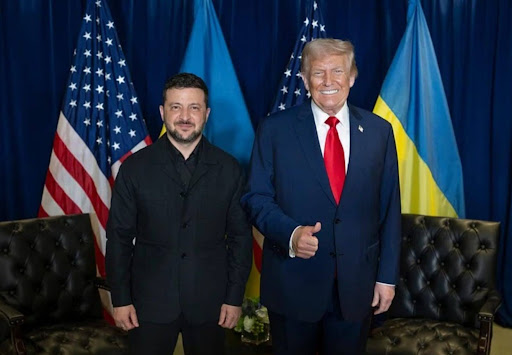
Military analysts will study Ukraine’s August White House briefing for years, not because it was particularly novel in its recommendations but because every element of it has since been validated by actual events. The warning about Iran’s improving Shahed drones proved accurate. The prediction that American bases would be targeted proved accurate. The recommendation for regional drone defense infrastructure proved strategically sound. The offer to provide the solution proved to be exactly what the US needed.
Ukraine’s predictive accuracy on the Iranian drone threat was not luck. It was the product of operational intelligence gathered through years of fighting the same weapons in a different theater. Russia’s use of Iranian Shahed technology against Ukraine gave Kyiv a real-time window into the evolution of the Shahed design and Iran’s production and deployment strategies. The August briefing reflected this accumulated intelligence.
The proposal that accompanied the warning was equally validated by events. The drone combat hub concept recommended for Jordan, Turkey, and Gulf states is now being implemented at American request. The specific interception technology proposed is the technology now being deployed. The regional defense architecture envisioned in August is being built in March.
The Trump administration’s failure to act on the briefing meant that its validation came at enormous cost. Seven Americans are dead. Conventional counter-drone spending has been extensive. The strategic advantage Iran derived from exploiting the gap Ukraine had warned about has been significant.
Ukraine’s vindication, such as it is, comes in the form of being called upon to implement what it proposed. Specialists are deployed in Jordan and Gulf states. The briefing’s recommendations are being executed. The validation is complete — and the cost of the months between warning and action will not be forgotten.