
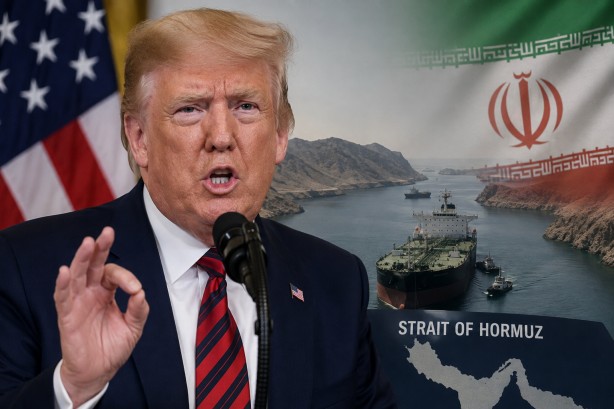
Iran has issued a stern warning to Gulf states, cautioning that any new military strike by the United States on Iranian territory could provoke retaliatory attacks against crucial energy infrastructure throughout the Gulf region. This message was reportedly conveyed by Iranian Foreign Minister Abbas Araqchi during discussions with senior officials from Saudi Arabia, Qatar, Turkey, and Pakistan. Iran is urging these regional allies to encourage Washington to refrain from further military actions.
The warning from Iran is a response to recent threats from U.S. President Donald Trump, who suggested targeting Iran’s energy infrastructure. While Iran has expressed that diplomacy is its preferred route, the country has made it clear that it is ready to retaliate if attacked. The potential for escalation has prompted Saudi Arabia to advocate for prioritizing negotiations over conflict, emphasizing its readiness to defend itself if necessary.
Iran’s potential retaliatory targets reportedly include oil facilities, refineries, power grids, water infrastructure, transport networks, and oil fields. This highlights the growing concern that increased hostilities could disrupt vital Gulf energy supplies and lead to heightened regional instability. Such developments could have significant implications for global energy markets.
As tensions simmer, regional leaders are continuing to push for diplomatic solutions to avert a wider conflict. There is a collective effort to prevent any further escalation that could jeopardize the stability of the Gulf and, by extension, the global energy supply chain. The situation underscores the delicate balance between military posturing and the pursuit of peaceful resolution in a region fraught with complexities.