
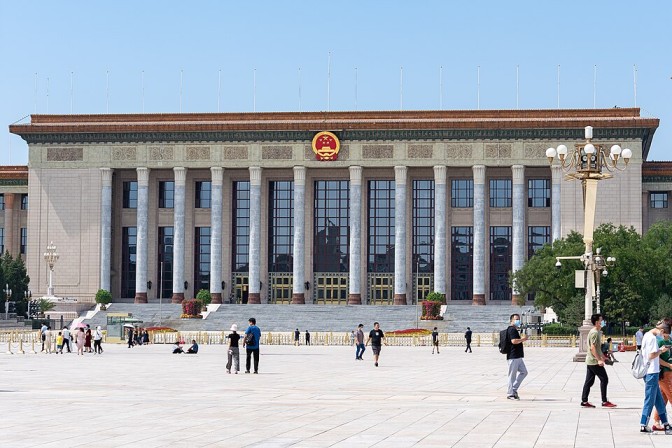
China’s highest legislative authority, the National People’s Congress Standing Committee, is gearing up for its next session in Beijing, scheduled from June 23 to 26. This session is poised to tackle significant legal and economic proposals, marking an important period of legislative activity. The agenda includes substantial revisions to the nation’s trademark law and a fresh review of a financial law, which could have wide-ranging implications for China’s regulatory landscape.
Lawmakers are also set to delve into proposed amendments to several key laws. These include the statutes that govern government procurement processes, public bidding, the operations of the central bank, and the regulation of certified public accountants. Such changes are indicative of China’s ongoing efforts to refine its economic and legal frameworks amidst evolving domestic and international challenges.
In addition to these economic-focused discussions, the session will explore draft legislation on public-interest litigation, which is spearheaded by prosecutors. This involves deliberations on how legal actions could be taken to further public causes. Furthermore, laws concerning activities in Antarctica and measures for environmental protection will be scrutinized, reflecting China’s growing interest in global environmental governance and sustainability.
Another major component of the session will be the review of reports on the central government’s 2025 financial accounts, budget execution, and fiscal revenue and expenditures. This review underscores a broader emphasis on economic governance and the meticulous oversight of financial activities, ensuring that fiscal policies align with national priorities and accountability standards.
The meeting’s agenda received the green light from the Council of Chairpersons of the National People’s Congress Standing Committee, under the leadership of Zhao Leji. This approval sets the stage for a potentially transformative series of discussions and decisions that could steer China’s legislative and economic strategies in the coming years.