
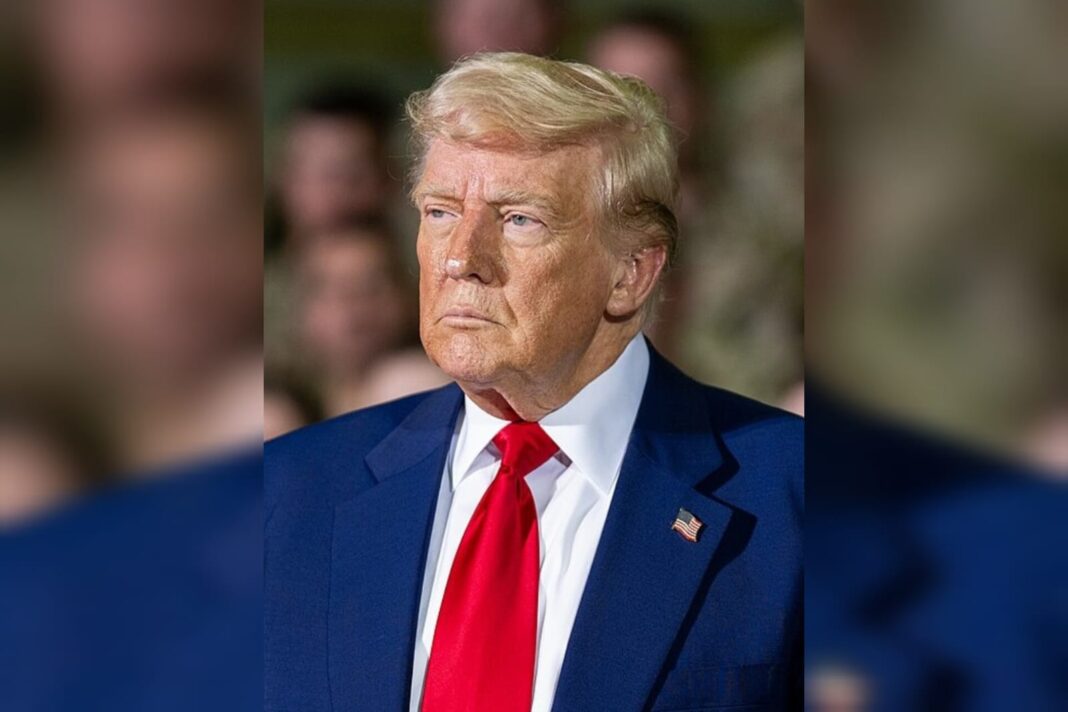
In a significant diplomatic development, U.S. President Donald Trump and Iranian President Masoud Pezeshkian have signed a 14-point agreement, which both leaders hail as a major breakthrough that prevents a looming global economic crisis. Central to this agreement is the reopening of the Strait of Hormuz, a critical channel for global oil transportation. The deal initiates a 60-day negotiation period aimed at establishing a comprehensive and enduring settlement between the two nations.
Key elements of the agreement include Iran’s commitment to reopening the Strait of Hormuz and engaging in discussions concerning its nuclear program. In exchange, the United States has agreed to relax specific sanctions, permit Iranian oil exports, unfreeze billions of dollars in Iranian assets, and endorse economic initiatives to aid in Iran’s economic recovery. Additionally, the deal opens the door for discussions on reducing Iran’s stockpile of highly enriched uranium under international oversight.
President Trump defended the agreement, emphasizing that diplomatic efforts were essential to avert a broader conflict with potentially severe repercussions for the global economy. He noted that reopening the Strait of Hormuz would contribute to stabilizing energy markets and minimizing risks to global shipping routes. Trump also clarified that while Gulf nations might participate in Iran’s reconstruction efforts, the United States would not provide financial assistance.
The agreement has elicited mixed reactions. Proponents argue that it reduces regional tensions, enhances global energy security, and sets the stage for long-term negotiations regarding Iran’s nuclear pursuits. Conversely, critics claim the deal offers Iran substantial economic benefits without securing firm commitments on its ballistic missile program or its influence within the region, raising concerns about Tehran’s potential to achieve financial and strategic gains.
Beyond economic aspects, the agreement contains provisions aimed at de-escalating regional hostilities. Iran has vowed not to pursue nuclear weapons and to exercise restraint through its regional affiliates. Further negotiations are anticipated to tackle outstanding issues, such as missile development and broader Middle East security. While both parties regard the agreement as a pivotal milestone, its ultimate success hinges on the forthcoming rounds of talks.