
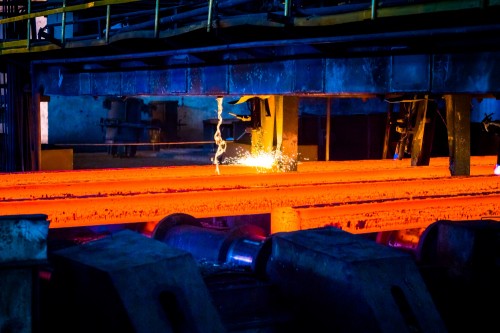
Jingye, a Chinese steelmaking company, has filed a formal claim for compensation from the UK government after the nationalization of British Steel’s Scunthorpe plant. This move comes under the provisions of a bilateral investment treaty between the UK and China, following unsuccessful negotiations over financial settlements. Industry insiders suggest the compensation claim could surpass £1 billion.
The origin of the dispute lies in the UK government’s decision to nationalize British Steel, citing national security interests and the need to maintain domestic steel production capabilities. The government’s intervention was aimed at preventing potential plant closure and averting significant job losses. Prior to this, Jingye, which took over British Steel in 2020, had contemplated ceasing operations due to financial challenges and an oversupplied global steel market.
Jingye argues it deserves compensation for the investments and losses incurred since its acquisition of British Steel. In contrast, the UK government has defended its decision as essential for safeguarding strategic industrial capacity and employment within the country.
Should the two parties fail to reach a settlement during the consultation period mandated by the treaty, the dispute is likely to proceed to international arbitration. This development could potentially strain economic relations between the UK and China, according to analysts.
Amidst this contention, the UK is re-evaluating its broader steel industry policies, which include reviewing import restrictions and considering potential restructuring initiatives. This reassessment is part of the government’s preparation for long-term shifts in steel production and ownership.