
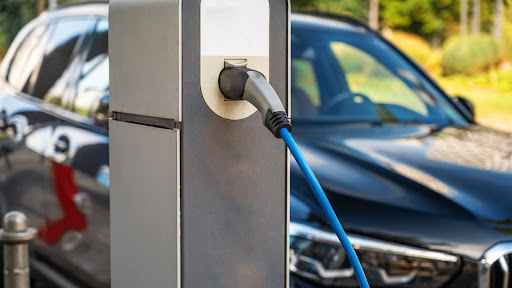
The last time Americans paid this much for gasoline, electric vehicles were a far less mature product category. Today, with pump prices averaging $3.90 per gallon due to war-linked oil disruptions, the conversation around EVs is happening in a very different context — one where used EVs are affordable, new models are increasingly practical, and consumer interest has measurably spiked. According to CarEdge, online searches for electric vehicles have risen 20 percent since the Iran conflict began.
The conflict began when US and Israeli forces launched military operations against Iran, one of the world’s major oil exporters. Iran responded by restricting access to the Strait of Hormuz, through which about one-fifth of global oil trade passes. The resulting oil supply shock pushed crude prices sharply higher, with American consumers absorbing the difference at gas stations across the country.
Analyst Justin Fischer of CarEdge described the link between the Iran conflict and EV search interest as clear and direct. He noted the surge appeared within two days of the strikes and predicted it would deepen if prices remain elevated. Edmunds’ Jessica Caldwell offered a similar perspective, observing that no other consumer expense is as repeatedly and publicly visible as gasoline, making it a reliable trigger for reconsidering car ownership economics.
The used EV segment is particularly well-positioned to capture the current wave of consumer interest. Pre-owned electric vehicles from Tesla, Chevy, and Nissan now commonly sell for under $25,000 — a price point that brings electric transportation into realistic reach for middle-income American families. Caldwell suggested that growing awareness of this affordability, combined with rising gas costs, could rapidly deplete available used EV inventory.
Despite strong demand signals, the landscape for EV growth in the US remains complicated. The current administration has rolled back EV-friendly policies, challenged California’s ability to set vehicle emissions standards, and removed financial incentives for electric car buyers. Major manufacturers have likewise pulled back from ambitious EV targets. The contrast with global trends is stark — EVs now represent one in five new car sales worldwide, while the US lingers well below that benchmark.