
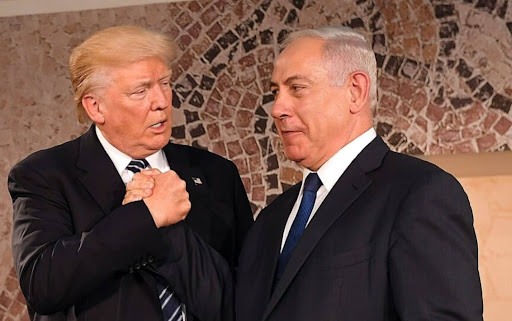
Israeli Prime Minister Benjamin Netanyahu went out of his way to project deference toward US President Donald Trump this week, even as the two leaders publicly acknowledged a difference of opinion over Israel’s strike on Iran’s South Pars gas field. “He’s the leader. I’m his ally. America is the leader,” Netanyahu said in Jerusalem — unusually deferential language for a leader who has consistently emphasized Israeli strategic independence. The remarks came as Trump said publicly that he had told Netanyahu not to carry out the attack.
The strike on South Pars — Iran’s most critical energy facility — triggered Iranian retaliation and a spike in global energy prices that rattled markets worldwide. Gulf states lobbied Washington to exercise greater restraint over Israeli military decisions, underscoring how broadly Israel’s choices affect the region. The episode thrust into the open a disagreement that both governments had apparently been managing quietly behind the scenes.
Netanyahu confirmed Israel acted alone but accepted Trump’s request to pause attacks on the gas field. He argued that the broader alliance remains strong, grounding his case in their shared view of Iran as a threat. He pointed to four decades of his own warnings about Iran and noted that Trump has long shared that concern. The message was: even when tactics differ, core beliefs are aligned.
However, several elements of the situation challenged that framing. Reports from multiple sources indicated the US had advance knowledge of the strike, contradicting Trump’s early post claiming ignorance. US officials subsequently underscored that American strategy is driven by American interests and that the two countries coordinate on targets — a statement that simultaneously reassured and complicated the narrative.
At a deeper level, the conflict between the two leaders reflects a genuine strategic divergence. Tulsi Gabbard told Congress directly that their stated objectives are different. Trump wants to stop Iran from going nuclear; Netanyahu wants a transformed Middle East with new Iranian leadership. Trump has also backed away from talk of regime change, calling it an unlikely outcome. These differences may not break the alliance — but they will continue to shape how it operates under pressure.