
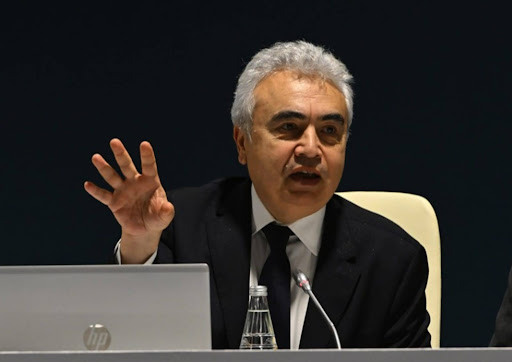
The head of the International Energy Agency has admitted that world leaders initially failed to appreciate the full severity of the energy crisis triggered by the Iran war, a miscalculation that cost the global economy precious response time. Fatih Birol, speaking in Canberra, said the depth of the problem in energy markets caused by US and Israeli strikes on Iran and the subsequent closure of the Strait of Hormuz was not initially understood. That realization prompted the IEA to step in with unprecedented emergency measures.
Birol said the crisis has since grown to a scale equivalent to the twin oil shocks of the 1970s and the gas disruption caused by Russia’s 2022 invasion of Ukraine all occurring at once. The conflict, which began February 28, has removed 11 million barrels of oil per day from global markets and wiped out 140 billion cubic metres of natural gas supply. These losses dwarf the combined totals of all previous energy crises.
The IEA responded with a record release of 400 million barrels from strategic reserves on March 11 and called for demand-side action, including wider use of remote work, lower motorway speed limits, and reduced commercial air travel. Birol said the agency was consulting with governments across Asia, Europe, and North America about whether a further reserve release would be necessary. He confirmed that only 20 percent of available stocks had been deployed in the initial action.
The Strait of Hormuz, through which about 20 percent of global oil travels, has been closed to commercial shipping following attacks on tankers. At least 40 energy assets across the Gulf have sustained severe damage, undermining hopes of a swift supply recovery. The disruption has hit Asia-Pacific nations hardest, though European markets have also seen tightening fuel availability.
Iran threatened retaliation against US and allied energy and desalination infrastructure following Trump’s 48-hour ultimatum to reopen the waterway. Birol warned that no country would be immune from the consequences of a prolonged crisis and urged governments to avoid the counterproductive hoarding of national fuel reserves. The most critical step, he said, remained the reopening of the Strait of Hormuz.