
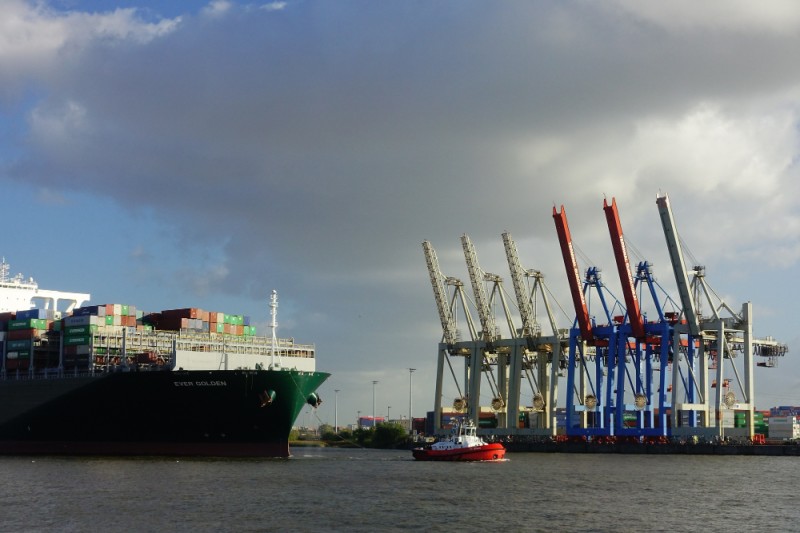
The European Union and China have embarked on a series of trade discussions set to span three months, aiming to alleviate the growing economic imbalance that has sparked concerns of a potential trade conflict. The initiative comes in response to the European bloc’s significant trade deficit with Beijing, a situation that has been causing tension between the two parties. The decision to engage in dialogue was made after weeks of escalating concerns from the EU regarding the increasing influx of Chinese goods and components into European markets. Both sides have expressed a desire to foster a more equitable trade relationship through these talks.
EU Trade Commissioner Maroš Šefčovič emphasized the importance of achieving tangible outcomes from these discussions before the upcoming high-level meeting scheduled to take place in Beijing. The talks are set to address several critical areas, including trade balance, investment strategies, export controls, the handling of rare earth materials, intellectual property rights, and World Trade Organization-related reforms. The EU has voiced worries that Chinese exports overwhelmingly surpass European exports to China, posing challenges to European industries and employment.
European industrial sectors have expressed increasing concern over the heavy reliance on Chinese imports, which they fear could undermine local manufacturing capacities. The EU is considering various future actions, such as implementing quotas and additional trade restrictions, should the negotiations fail to yield satisfactory resolutions to these issues. As the competition from Chinese products continues to impact sectors beyond just electric vehicles and clean energy, the urgency of these discussions is evident.
In a bid to proactively manage trade dynamics, both parties have agreed to establish a monitoring system. This system will track significant shifts in trade flows and provide a platform for discussing potential measures if sudden changes in imports or exports pose economic risks. This collaborative approach highlights the mutual interest in preventing a trade escalation and finding solutions that support a balanced economic relationship.