
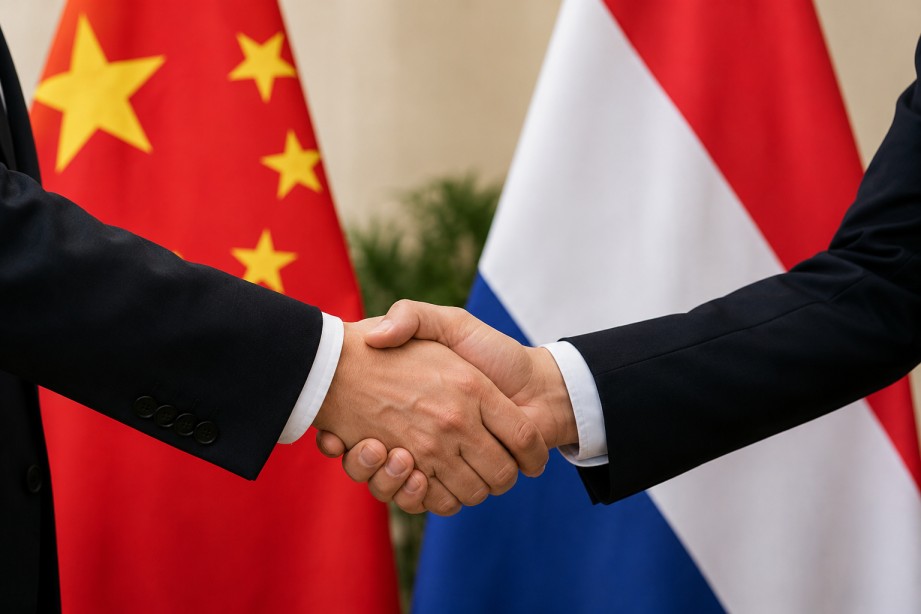
In a move aimed at bolstering the global semiconductor supply chain, China and the Netherlands have agreed to foster the resolution of business disputes through consultation. This understanding, announced by China’s Ministry of Commerce, underscores the nations’ commitment to enhancing their economic and trade cooperation, a relationship that has seen significant growth over the past decade.
The agreement was reached following the 18th meeting of the China-Netherlands Joint Economic and Trade Committee held in Beijing. During this meeting, officials from both countries engaged in discussions focused on strengthening bilateral trade ties and addressing broader economic relations between China and the European Union.
Both China and the Netherlands emphasized the importance of creating a conducive environment for companies to resolve their disputes amicably. This approach is seen as crucial in maintaining the security and stability of the global semiconductor industry, a sector that is vital to numerous modern technologies.
The collaborative effort between the two countries highlights a mutual recognition of the need to support the semiconductor industry’s supply chains. This commitment comes at a time when the world is increasingly reliant on semiconductor technologies, making the stability of these supply chains more crucial than ever.