
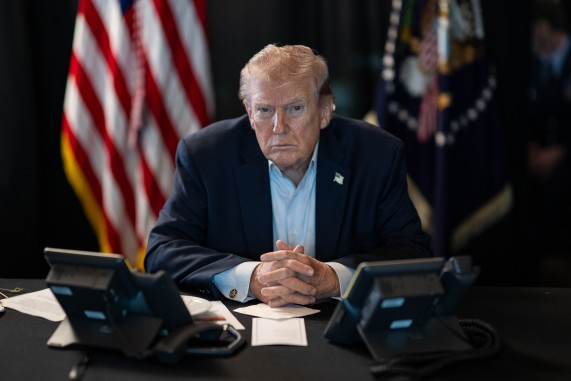
In a strong warning to countries contemplating new digital services taxes on American technology firms, US President Donald Trump has threatened to impose a 100% tariff on all their goods exported to the United States. This warning is directed primarily at several European nations considering taxes aimed at large US tech companies. Trump’s message was clear: such fiscal measures would lead to immediate trade repercussions, potentially overriding current trade agreements with these countries.
Digital services taxes are designed to ensure that major tech corporations pay taxes in nations where they generate significant revenue, addressing concerns that these companies often shift profits to lower tax jurisdictions. Proponents argue that these taxes create a fairer taxation system, compelling tech giants to contribute equitably to the economies they profit from. However, critics, including Trump, argue that such taxes disproportionately target American businesses.
This latest stance forms part of Trump’s broader resistance against international regulations and taxes impacting US technology firms. His administration has consistently opposed foreign policies perceived to disadvantage American companies, and this is not the first time Trump has hinted at retaliatory trade measures against countries implementing digital tax policies.
Interestingly, India may not feel the brunt of these potential tariffs, as the country has already amended some of its digital service tax structures. Ongoing trade discussions between India and the US indicate that India is considering further adjustments, possibly positioning itself favorably amid these tensions.