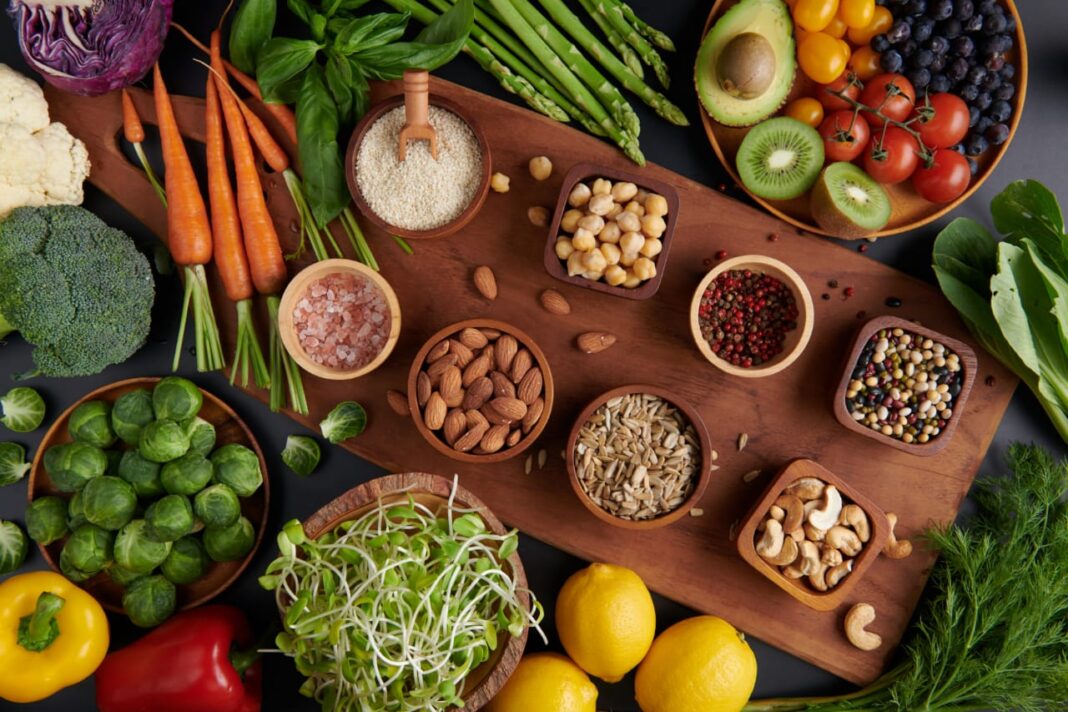
The traditional Indian thali is a perfect embodiment of the principles of a sustainable and balanced diet. This beautiful platter, with its small bowls (katoris) offering a variety of dishes, is a masterclass in nutrition that we can all learn from.
A thali naturally encourages portion control. The small katoris prevent you from over-serving any single item, promoting a moderate intake of a wide range of foods. This is a core tenet of a sustainable diet, built right into the structure of the meal.
It also exemplifies the concept of a balanced plate. A typical thali will include a source of plant-based protein and fiber (dal), a serving of seasonal vegetables (sabzi), a complex carbohydrate (roti or brown rice), and often a raw vegetable salad (kachumber). This combination ensures a full spectrum of nutrients and a steady release of energy.
The thali is a celebration of local and seasonal ingredients, changing based on the region and time of year. It showcases the diversity of plant-based foods, from various lentils to a rainbow of vegetables. By looking to the wisdom of the thali, we can see a delicious and time-tested model for a healthy, enjoyable, and sustainable way of eating.