
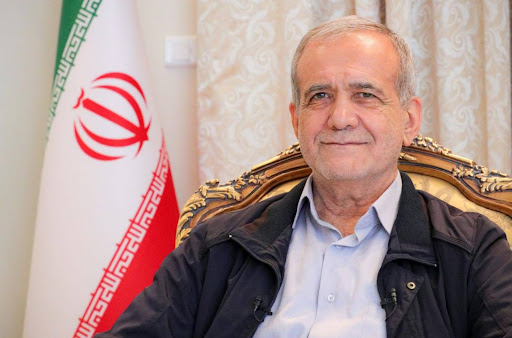
Iranian President Masoud Pezeshkian has issued a comprehensive statement to Gulf neighbours, telling them that genuine security requires making a hard choice about their relationship with the US military presence on their soil. The statement, delivered over a month into the Iran-US war, is one of the most detailed and direct diplomatic communications Tehran has made to its neighbours. Iran is clearly seeking to use the conflict’s regional consequences to reshape Gulf governments’ strategic calculations.
The war has taken a serious toll on Gulf nations including Saudi Arabia, the UAE, Kuwait, Qatar, and Oman, where US military operations against Iran have been launched and where Iranian retaliatory strikes have followed. The ongoing exchange has caused significant damage to Gulf infrastructure and economies. Gulf governments are now facing a deepening crisis that shows no signs of abating without major political decisions.
Pezeshkian’s post on X reaffirmed Iran’s defensive military doctrine while making clear that any attack on Iranian infrastructure or economic centres would be met with a powerful and certain response. He directed a careful but firm appeal to Gulf leaders, urging them to deny enemy forces access to their territory and framing this as the only viable path to development and security. The message was strategic, measured, and unmistakably serious.
Pakistan’s diplomatic role has been central to the search for peace, with Prime Minister Shehbaz Sharif engaging Iranian leadership and other regional parties with genuine commitment and skill. Sharif’s meeting with Pezeshkian revealed that Iran views trust as an essential and non-negotiable prerequisite for any formal negotiations. Pakistan’s contributions to the peace process have been publicly praised by Tehran.
A major multilateral diplomatic meeting in Pakistan is bringing together foreign ministers of Saudi Arabia, Egypt, and Turkey for consultations on the war and pathways to peace. Their discussions with Pakistani Foreign Minister Ishaq Dar and Prime Minister Sharif aim to produce a coordinated regional strategy for de-escalation. The talks are being closely monitored as one of the most promising diplomatic opportunities to emerge since the conflict began.