
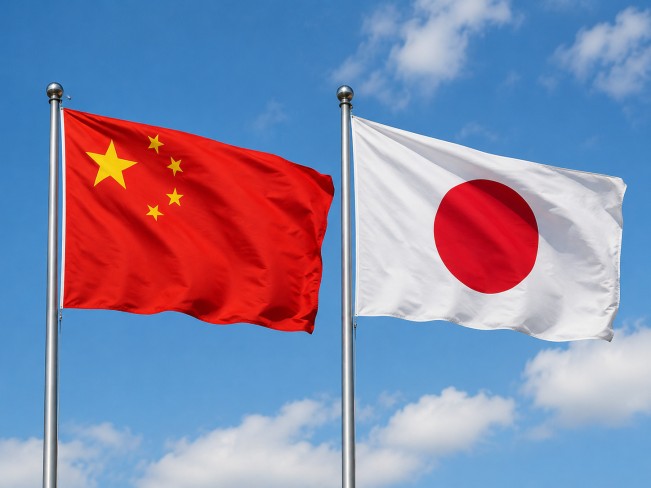
A group of Japanese lawmakers from different political parties is visiting Beijing to engage with Chinese officials in an effort to renew dialogue and improve bilateral relations. This initiative arises amidst escalating tensions following remarks by Japanese Prime Minister Sanae Takaichi, who indicated that a Chinese military action against Taiwan might justify Japan’s use of force due to security concerns.
The delegation features members from Japan’s ruling Liberal Democratic Party, as well as opposition party representatives. These lawmakers are emphasizing the importance of re-establishing communication channels, which have been significantly disrupted at various levels of government and official interactions. Their mission underscores the necessity of maintaining open dialogue between the two nations.
Strained economic and diplomatic ties between Japan and China add urgency to the delegation’s visit. Lawmakers from both countries have expressed concerns that ongoing communication breakdowns are detrimental to their mutual interests, further complicating an already tense regional atmosphere.
In their meetings, the Japanese delegation aims to address these frictions and seek pathways to a more stable and cooperative relationship. By prioritizing dialogue, they hope to ease tensions and foster a climate that supports peace and economic stability in the region.