
Iran issued what observers called its most dangerous and specific military threat of the conflict on Wednesday, targeting energy infrastructure in Saudi Arabia, the UAE, and Qatar for imminent strikes after Israel hit the South Pars gasfield. The Revolutionary Guards named facilities, set a timeframe of “coming hours,” and told workers to evacuate. The declaration sent oil prices surging and raised fears of a catastrophic disruption to global energy supplies.
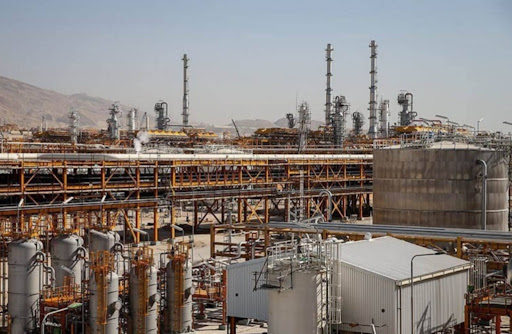
South Pars, the world’s largest natural gas reserve, had been a quiet backbone of the Iranian economy throughout the war — until Wednesday. Israeli strikes, reportedly authorized by the US, changed that calculus and set off one of the most alarming chain reactions of the entire conflict. The move represented a fundamental shift in how both sides viewed the limits of acceptable escalation.
The targeted facilities listed by Iran’s state media included Saudi Arabia’s Samref refinery and Jubail complex, the UAE’s al-Hosn gasfield, and Qatar’s Mesaieed and Ras Laffan facilities. Evacuation orders were broadcast publicly and directly. Provincial governor Eskandar Pasalar said the war had moved into a new phase — one defined by economic destruction rather than purely military objectives.
Oil prices rose nearly 5% to $108.60 per barrel, inching toward $110, while European gas markets jumped over 7.5%. These gains came against an already-troubled backdrop: Gulf oil exports had declined 60% from pre-war levels due to infrastructure damage and Iran’s stranglehold on the Strait of Hormuz. Iran had continued shipping its own crude while effectively shutting down its neighbors’ export routes.
Qatar’s government urged international protection of energy infrastructure and warned that attacks would endanger people across the region and destabilize global energy markets. With the potential for cascading energy disruptions now very real, the events of the coming hours carried enormous weight for governments, corporations, and ordinary people around the world who depended on Gulf energy. The next move was Iran’s.