
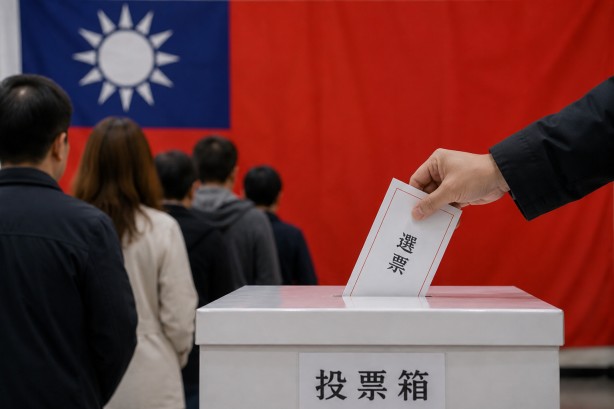
Taiwan’s Central Election Commission (CEC) has implemented new rules that affect the eligibility of individuals born in China who wish to run for public office in Taiwan. According to these regulations, such individuals must provide proof that they canceled their Chinese household registration a minimum of 10 years before they register as candidates. This requirement is described by the CEC as an administrative step aligned with existing legal interpretations, rather than a political maneuver.
In addition to the cancellation proof, candidates are also required to have maintained their household registration in Taiwan for at least a decade following the submission of the necessary documentation. This move underscores Taiwan’s efforts to ensure transparency and compliance with its regulations regarding candidacy for public positions, particularly concerning individuals with ties to China.
In a separate announcement, the CEC expressed apprehensions about proposed modifications to the referendum voting process. The commission cautioned that these changes could complicate election management, increase the number of invalid ballots, and potentially delay the vote counting process until the day after the election. The logistical challenges posed by these proposed changes are significant, as they could also hinder the recruitment of election workers.
The concerns primarily stem from the idea of incorporating multiple referendum questions on a single ballot. This approach, according to officials, may create both logistical and legal difficulties, complicating the election process further. The CEC’s warnings highlight the delicate balance needed in administering elections and referendums, ensuring that procedural changes do not inadvertently compromise the efficiency and integrity of the voting process.