
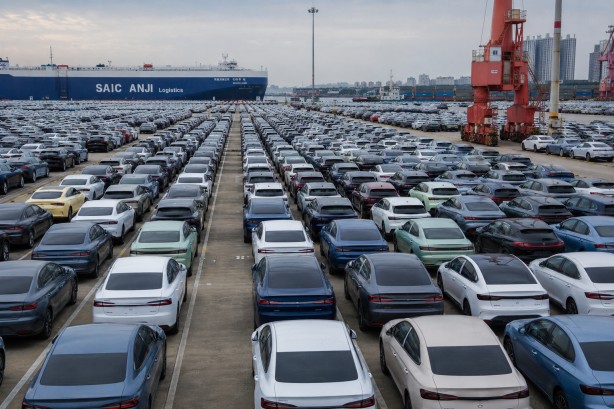
China’s emergence as the leading electric vehicle market worldwide has spurred the rise of prominent companies and reshaped the global automotive landscape. Nonetheless, this swift growth has sparked worries about potential overproduction and escalating competition within the industry.
Over the last ten years, a combination of government incentives, local investments, and robust consumer interest has enticed numerous companies into the electric vehicle sector. This strategy has not only birthed some of China’s most prosperous automakers but has also fortified the nation’s standing in battery technology and clean transportation.
Yet, the rate of expansion has surpassed demand in certain areas, resulting in factories producing more vehicles than the market demands. This imbalance has triggered price wars and exerted financial strain across the industry. As manufacturers slash prices to lure customers and boost market share, competition has intensified. While larger companies continue to pour resources into technology, production, and international expansion, smaller firms find it challenging to keep pace.
Chinese authorities have recently expressed concerns over this overcapacity, cautioning that unchecked growth might pose economic threats. According to industry experts, the current challenge lies in maintaining a balance between fostering innovation and competition and ensuring sustainable long-term growth.
Despite these challenges, China continues to lead the global charge in electric vehicles, with its manufacturers venturing into international markets and playing a pivotal role in shaping the future of transportation.