
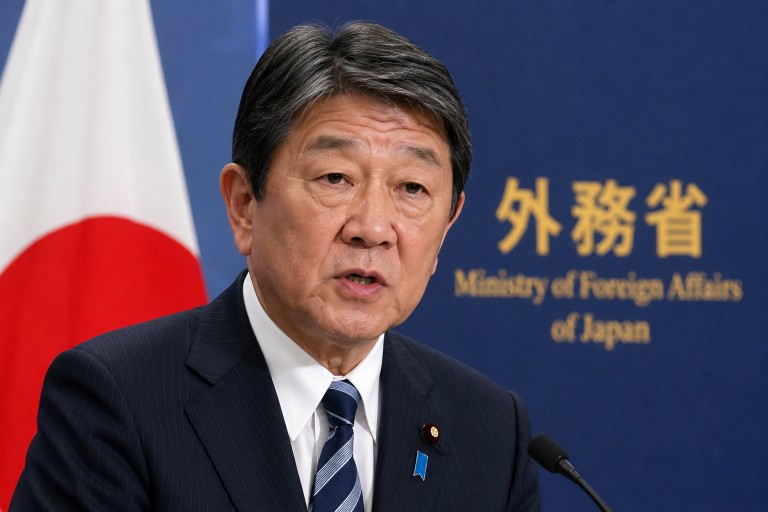
In a cautious move to ease diplomatic tensions, Japan’s Foreign Minister Toshimitsu Motegi engaged in brief discussions with his Chinese and Russian counterparts on the fringes of the ASEAN summit in Manila. Motegi reported having a short, informal conversation with Chinese Foreign Minister Wang Yi, focusing on bilateral relations and underscoring the need for ongoing dialogue to maintain regional peace. Despite this, China refuted that any meeting or planned contact had occurred.
Additionally, Motegi confirmed a brief interaction with Russian Foreign Minister Sergey Lavrov. This marked the first known contact between the top diplomats of Japan and Russia since Russia’s 2022 invasion of Ukraine. The conversation touched on bilateral relations and regional issues, signaling a tentative step in diplomatic engagement between the two countries.
Despite these renewed diplomatic interactions, Japan has maintained its stance on supporting Ukraine and upholding sanctions against Russia. Japan’s commitment to these measures underscores its international alignments, even as it explores diplomatic dialogues with China and Russia.
Experts suggest that while maintaining dialogue is crucial for managing bilateral issues, Japan must ensure that such engagements do not compromise its international commitments. The balance between dialogue and adherence to global alliances remains a critical aspect of Japan’s foreign policy strategy.