
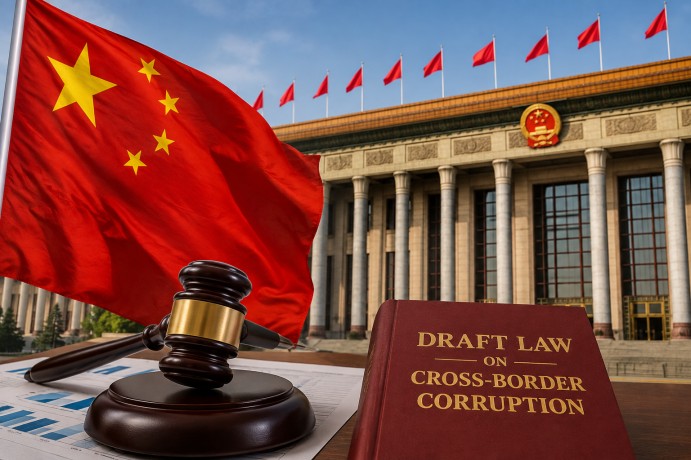
In a strategic move to bolster its anti-corruption measures, China’s top legislative body will examine a new draft law targeting cross-border corruption during the National People’s Congress Standing Committee session scheduled from August 25 to 28. This proposed law aims to enhance the country’s framework against corruption and foster international collaboration in tracking down and prosecuting corrupt officials and fugitives who have escaped abroad.
The draft law is a significant legislative focus for the current term of the National People’s Congress and has been earmarked as a key priority for 2026. The initiative underscores China’s intensified efforts to bring back those accused of corruption who have left the country. Notably, in 2025, China successfully repatriated 963 individuals suspected of corruption, reflecting the country’s commitment to addressing this issue on a global scale.
Beyond the anti-corruption law, the upcoming legislative session will also address a range of other critical issues. Lawmakers are set to review draft legislation and proposed amendments covering a spectrum of areas, including healthcare security, farmland protection, agriculture, and national defense mobilization. These discussions point to a comprehensive legislative agenda aimed at strengthening various sectors within the country.
Additional topics slated for review include banking regulation, water management, and road traffic safety, highlighting the breadth of legislative priorities under consideration. Each of these areas plays a crucial role in the broader landscape of national governance and development policies.
The focus on such diverse legislative topics during the session illustrates the Chinese government’s multifaceted approach to addressing both domestic and international challenges. As China continues to navigate its role on the global stage, these legislative efforts are indicative of its strategic priorities and commitment to reform and regulation across multiple domains.